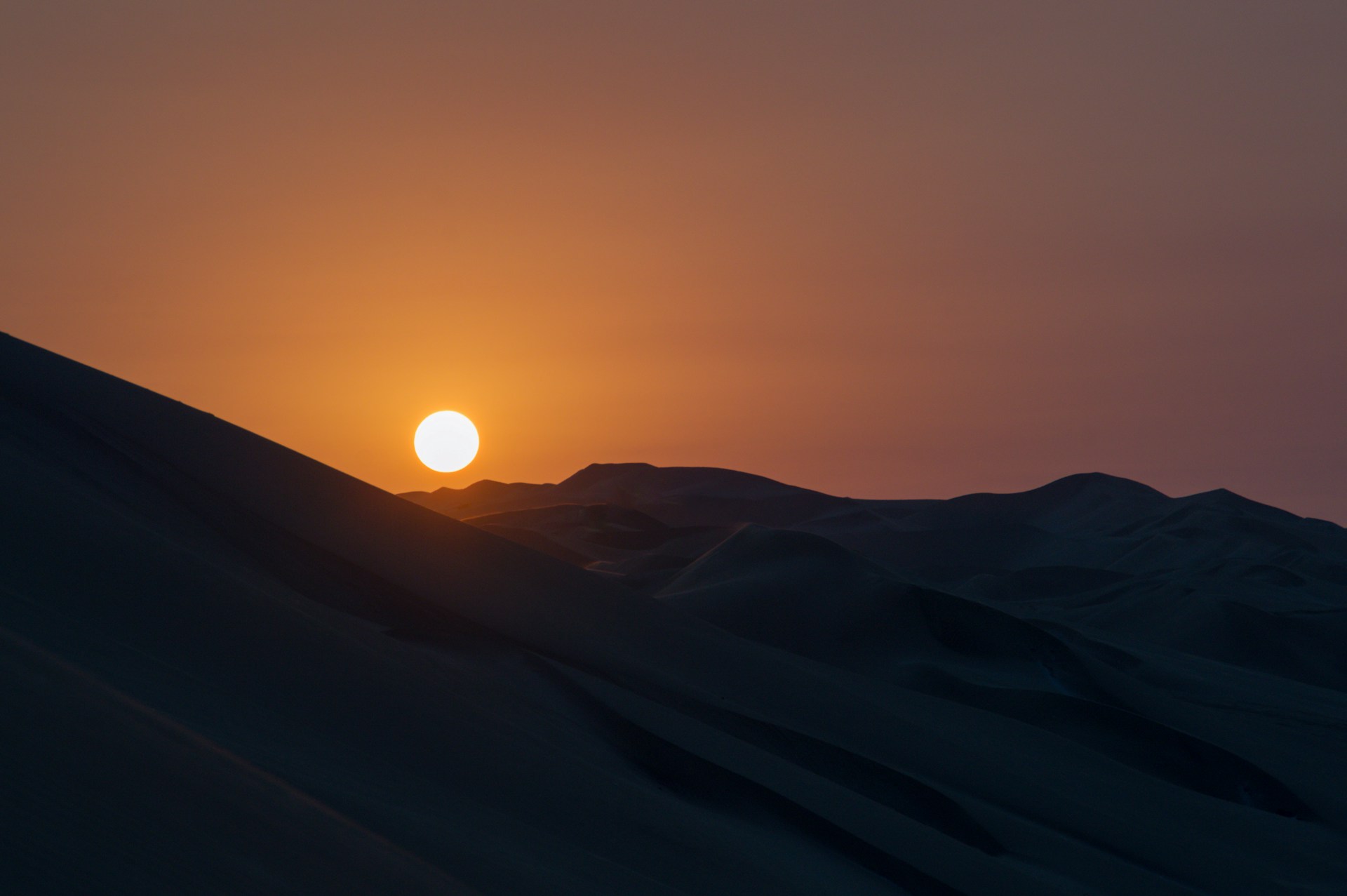
Welcome to a place where the sand looks like fire and the sky is a deep, bright blue.
This is the Namib-Naukluft National Park, and it is a place that feels like magic. It is the biggest park in all of Africa and it is even bigger than the whole country of Switzerland. When you visit, you are walking through a land that is millions of years old and full of secrets.
In this Complete Visitor Guide to Namib-Naukluft National Park, we will tell you all the best tips. We want to make sure you know exactly where to go and what to see so you don’t miss anything. This guide has everything you need to plan a trip that you will remember for the rest of your life.
Entering the Gateway at Sesriem
Your adventure starts at the Sesriem gate, which is the main entrance to the world of big dunes. It is a small place with a few buildings, a gas station, and a spot to camp. Most people wake up very early in the dark to wait for the gates to open at sunrise.
If you stay at the campsite inside the park, you can start driving one hour earlier than everyone else. This is a big secret that helps you see the sun come up over the red sand before it gets too busy. The ride from the gate to the most famous dunes is about 60 kilometers on a paved road.
As you drive, you will see the dunes getting taller and taller on both sides of your car. They look like giant waves on an ocean that have stopped moving and turned into sand. The colors change from yellow to orange to deep red as the sun gets higher in the sky.
The Famous Dune 45
One of the first big hills you will see is called Dune 45. It is called this because it is exactly 45 kilometers away from the Sesriem gate. It is 170 meters high, which is like a very tall building made of 5-million-year-old sand.
You are allowed to climb this dune, and it is the most popular spot for taking photos. There is a perfect tree at the bottom that looks great in pictures against the orange sand. Many people stop here to watch the shadows move across the sand in the early morning light.
Walking up the edge of the dune is fun but it can make your legs feel very tired. Each time you step up, your foot sinks back down just a little bit. But once you reach the top, the view of the endless desert is worth all the hard work.
New Rules for Sossusvlei in 2026
If you are visiting in 2026, you need to know about a big change in the park rules. You can drive your own car for the first 60 kilometers, but then the paved road ends. After that, the road is made of very soft and deep sand for the last few kilometers. Starting in late 2025, private cars are no longer allowed to drive in that deep sand area. You must park your car at a big parking lot and take a special shuttle bus. This shuttle is run by the park rangers and it will take you safely to the dunes. In January 2026, the shuttle costs about N$260 for adults and N$130 for children. This is a good thing because many people used to get their cars stuck in the sand. Now, you can sit back and look out the window while a professional driver takes you to the best spots.
Climbing the Giant Big Daddy
The most famous dune in the whole park is nicknamed Big Daddy. It is the tallest one in this part of the desert, reaching 325 meters into the sky. It is a giant that makes all the other sand hills look small and tiny.
Climbing Big Daddy takes about one or two hours because it is so high. You should only try this in the early morning when the air is still cool. If you wait until the middle of the day, the sand will be too hot and the sun will be too strong.
From the top of Big Daddy, you get the best view of the whole Namib Desert Dunes. You can see for miles and miles, and you will see a strange white pan right below you. When you are ready to come down, you can run or slide straight down the steep face of the dune.
The Haunting Beauty of Deadvlei
At the bottom of Big Daddy is a place called Deadvlei, which means “dead marsh.” It is a flat, white ground made of dry clay that looks like it is covered in salt. It used to be a place with water and trees a long time ago.
But the water dried up 900 years ago when the sand dunes blocked the river. The trees died, but they did not rot away because the air is so dry. Now, they are black and scorched by the sun, standing like skeletons against the white ground.
Walking among these old trees is one of the best things to do in Sossusvlei & Deadvlei. Photographers love this spot because the white, red, and blue colors look so amazing together.
The Cool Depths of Sesriem Canyon
Not far from the park gate, you will find the Sesriem Canyon. This is a deep gap in the ground that was carved by the Tsauchab River over millions of years. It is about one kilometer long and 30 meters deep.
The name “Sesriem” comes from the six leather belts settlers used to reach water at the bottom. In their language, “ses” means six and “riem” means belt. You can walk down into the canyon to find some shade and escape the desert heat.
In some parts, the canyon is only two meters wide, so you can touch both walls at once. There are often small pools of water at the end where birds and bugs like to hang out. It is a great place to spend 30 minutes before you head back to your lodge.
Discovering Desert-Adapted Wildlife
You might think the desert is empty, but it is actually full of very smart animals. These creatures have learned special tricks to stay alive in a place with no rain. The most famous one is the Oryx, or Gemsbok, which is the symbol of Namibia.
Oryx can survive for weeks without drinking any water. They get all the moisture they need from the dry grass and roots they find in the sand. You will see them walking slowly across the dunes.
Look closely at the sand and you might see a tiny beetle standing on its head. This is the fog-basking beetle, and it drinks the morning mist to stay hydrated. It catches water drops on its back and lets them roll down into its mouth.
The Secret of the Fairy Circles
As you drive across the flat plains, you will see thousands of strange circles in the grass. These are called “fairy circles,” and they are round spots of bare dirt where no grass grows. They are surrounded by a ring of healthy, tall green grass.
For a long time, people thought termites made these circles to save water underground. But new science in 2024 and 2025 says it might be the plants themselves. The plants on the edge pull all the water from the center so that only they can survive.
The Plant That Lives Forever: Welwitschia
In the rocky parts of the park, you will find a plant called the Welwitschia. It looks like a big pile of tattered, wilted green leaves, but it is actually very special. It only grows in this desert and nowhere else on our planet.
This plant only grows two leaves in its entire life, and they never fall off. They just keep growing and growing, reaching lengths of up to four meters. Some of these plants are 2,000 years old.
A Sweet Stop in Solitaire
If you are hungry after exploring the dunes, you must stop at a tiny town called Solitaire. It is just a few small buildings at a crossroads in the middle of the desert. It is famous for its collection of rusted, old cars that sit in the sand. But the real reason people stop is for the world-famous apple pie.
Hiking in the Naukluft Mountains
The park has another side that is full of rocky peaks and deep, narrow gorges. The Naukluft Mountains are in the eastern part of the park and are great for hiking. You can find trails that go past waterfalls and hidden springs of water.
The Olive Trail is a 10-kilometer hike that is famous for its “chain section.” To finish the hike, you have to hold onto thick metal chains to get across a pool of water. It is a bit scary but very exciting for anyone who loves an adventure.
You might also see the Hartmann’s mountain zebra while you are hiking. These zebras have very hard hooves that help them climb the steep, rocky cliffs.
Where the Desert Meets the Sea
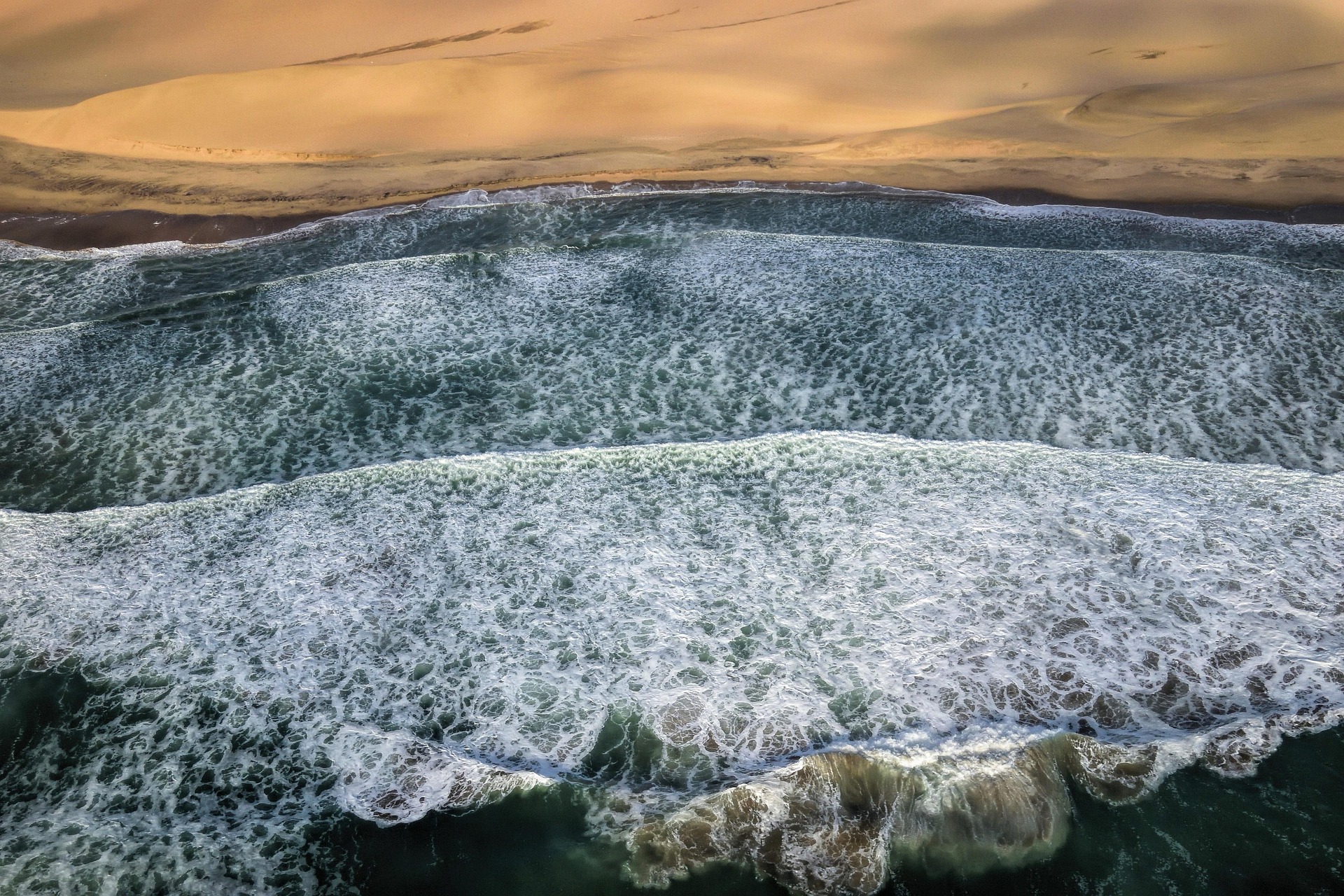
In the northern part of the park, you can visit a place called Sandwich Harbour. This is one of the few places on Earth where giant sand dunes drop straight into the ocean. It is a spectacular sight that you need a 4×4 car to reach.
The lagoon here is a protected wetland and is home to thousands of birds. You will see pink flamingos, white pelicans, and many other beautiful sea birds. It is a place of peace where the red sand meets the white foam of the Atlantic waves.
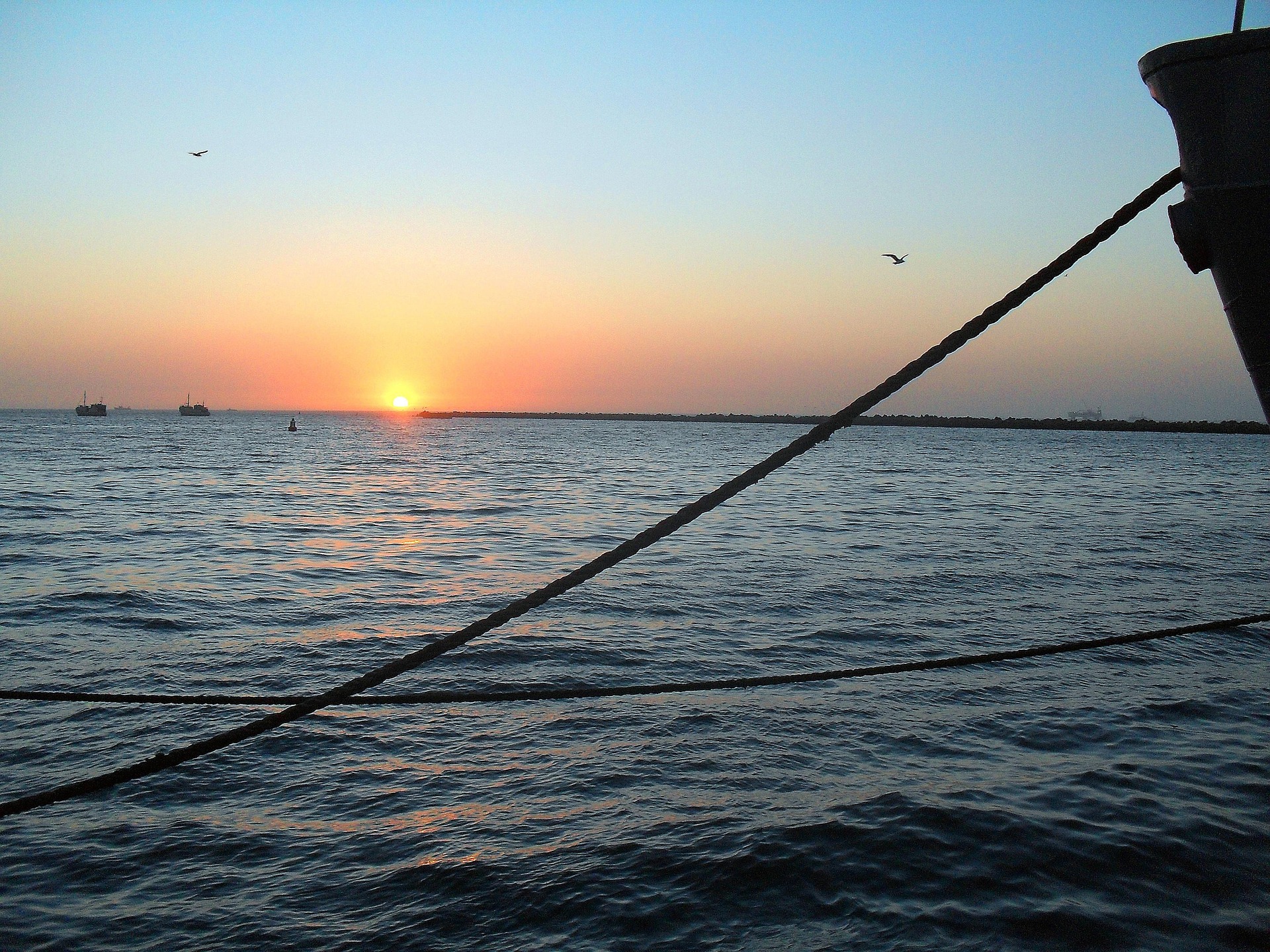
Most people visit Sandwich Harbour on a guided tour from the town of Walvis Bay. It is a full-day trip that shows you a different and wild side of the Namib-Naukluft National Park Safari.
Is Namib-Naukluft National Park safe for self-drive?
Many people wonder, “Is Namib-Naukluft National Park safe for self-drive?” The answer is yes, as long as you drive slowly and follow the rules. Most of the roads are made of gravel, which can be very slippery and tricky to drive on.
The desert is very big and there is no cell phone signal in most areas. Always let someone know where you are going and when you plan to be back. If you take your time and stay on the marked roads, driving yourself is a wonderful experience.
Practical Tips for Your Visit
To have the best trip, you need to prepare for the desert environment.
The sun is very strong, so you must wear a hat, sunscreen, and sunglasses every day. It is also a good idea to bring a warm jacket for the nights.
The Best time to visit Namib-Naukluft National Park is from May to October. This is the dry season when the weather is cool and perfect for climbing dunes. In the summer months, it can get hotter than 40 degrees Celsius, which is too hot for most people.
You must also remember that there is no fresh water inside the park. You should carry at least five liters of water for every person in your car every day. It is much better to have too much water than to run out in the middle of the desert.
Photography and Protecting Your Gear
The Namib is one of the most beautiful places for photography in the world. The best light is during the “golden hours” just after sunrise and before sunset.
But the desert has a lot of fine sand that can ruin your camera and lenses. You should try to keep your camera in a sealed bag when you are not taking a picture. Never change your lens while you are standing out in the wind and sand.
If you want to take photos of the stars, bring a sturdy tripod for your camera. The park is an International Dark Sky Reserve, meaning the stars are incredibly bright. You will be able to see the Milky Way clearly with just your own eyes.
Final Thoughts on Your Adventure
A trip to the Namib-Naukluft National Park is more than just a vacation. It is a chance to see the power of nature and how life can win against the heat.
From the first light on Dune 45 to the quiet black trees of Deadvlei, every moment is a treat. Take your time, breathe the fresh air, and listen to the silence of the desert.
Pack your bags, double-check your water, and get ready for a journey you will never forget. The Namib is waiting for you, and it has so many stories it wants to tell. Safe travels on your way to one of the most special places on our planet!
Want to see it with a guide?
Tell us your date, group size and where you are staying. We’ll reply with availability, pickup time and the final price. No payment needed to ask.