The Namib stretches over 2,000 kilometers along Namibia’s Atlantic coast and covers 81,000 square kilometers of red dunes, gravel plains, and rocky outcrops. The name comes from the Nama language and means open space.
Sossusvlei and Deadvlei
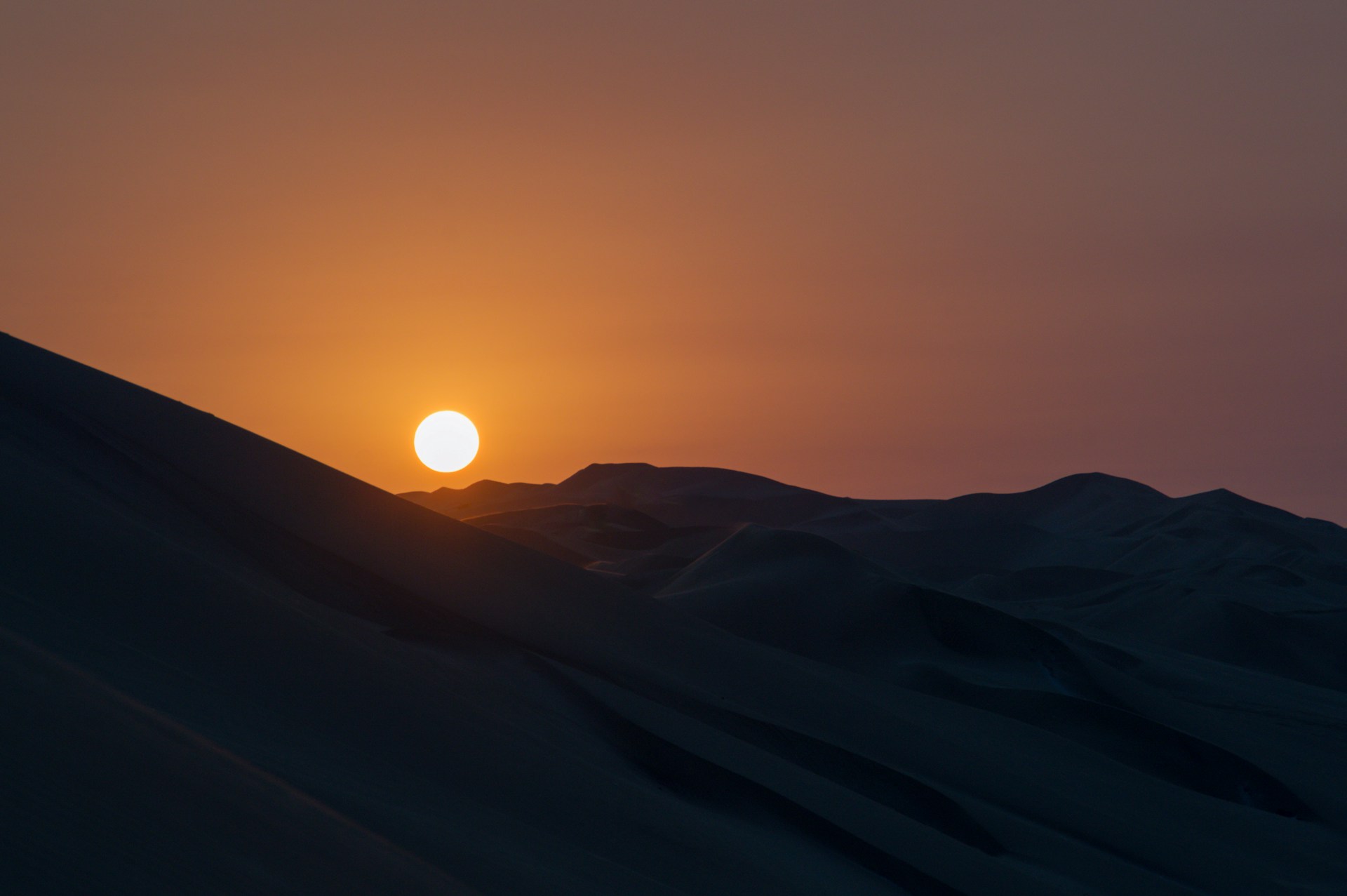
Sossusvlei is a salt pan surrounded by red-orange dunes rising over 300 meters. The color comes from iron oxide in the sand that has been oxidizing for millions of years. At sunrise the whole landscape burns orange in a way photographs never fully capture.
Deadvlei looks almost unreal. Blackened trees stand on a cracked white clay pan surrounded by towering dunes. Those trees died 900 years ago but the dry air preserved them. Dune 45 is the most photographed dune in the world. Dune 7 near Walvis Bay stands at 383 meters, the tallest in Namibia.
Wildlife You Would Not Expect
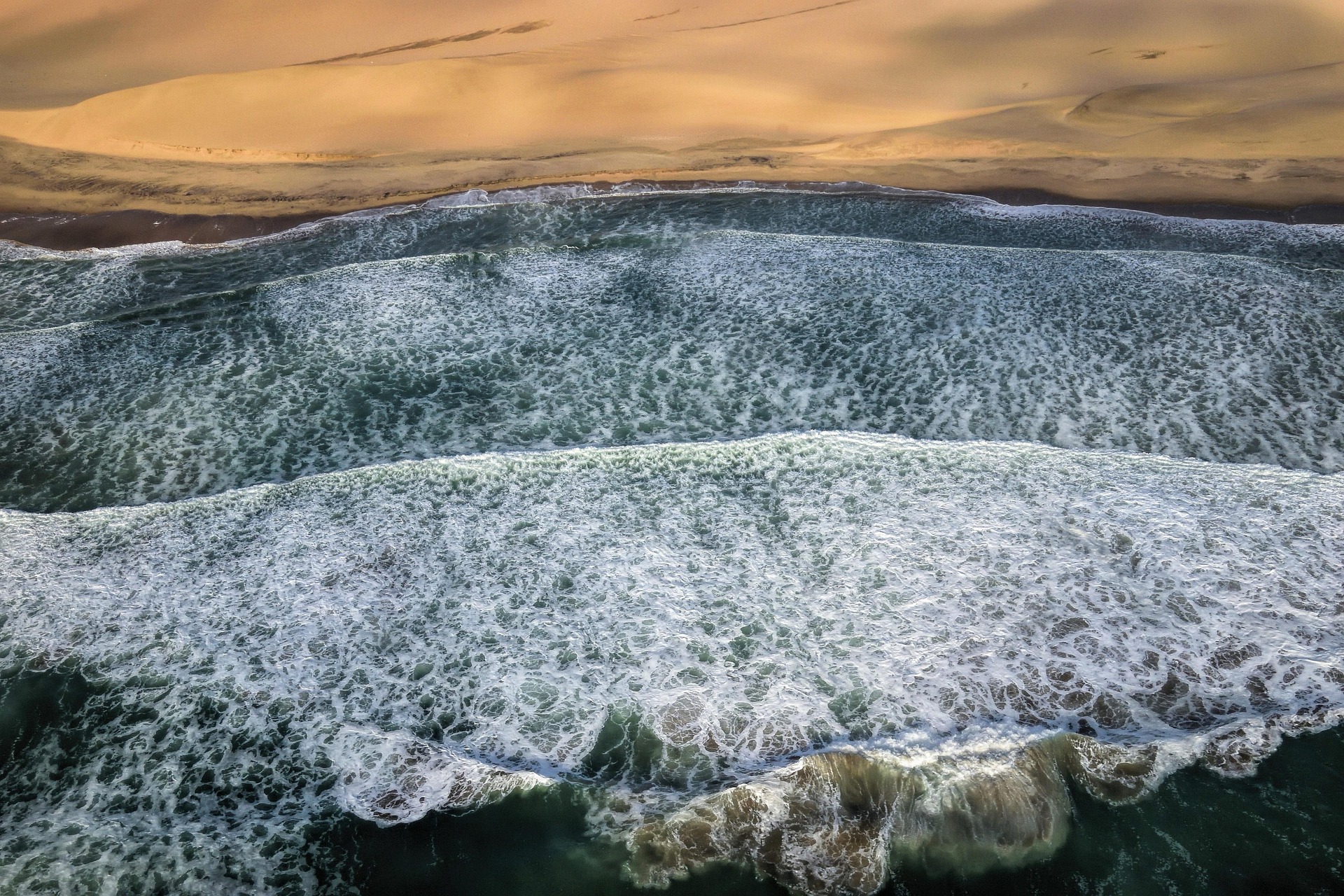
Oryx, springbok, desert elephants, lions, and zebra all survive this landscape despite its extreme conditions. Cold fog from the Benguela Current rolls 100 kilometers inland each morning and that moisture sustains the whole ecosystem.
The Welwitschia plant exists only in the Namib. It produces two leaves its entire life, survives 2,000 years, and Darwin described it as the platypus of the plant kingdom.
Activities in the Namib Desert
Sandboarding and quad biking run from Swakopmund on the desert edge. Hot air balloon rides at sunrise offer views that ground photography cannot match. Scenic flights over the Namib are expensive but travelers consistently rate them the most spectacular experience of their entire trip.
Stargazing is also worth planning around. The Namib is one of the only official Dark Sky Reserves in the world and the night sky here looks unlike anything most people have seen before.
Best Time to Visit the Namib Desert
May to October is the best window to visit. Daytime temperatures are manageable and dry conditions make exploring comfortable. Nights drop very cold so warm layers are essential. November to April brings extreme heat above 40 degrees Celsius.
What Visitors Say
“Barren land that is absolutely stunning. Loved the dunes and the feeling of being present in an area created over tens of millions of years.” — Verified traveller on Tripadvisor
How to Get There
Most visitors fly into Windhoek and self-drive from there. A 4×4 is strongly recommended for Sossusvlei and interior routes. Sesriem, the gateway to Sossusvlei, is about five hours from Windhoek.
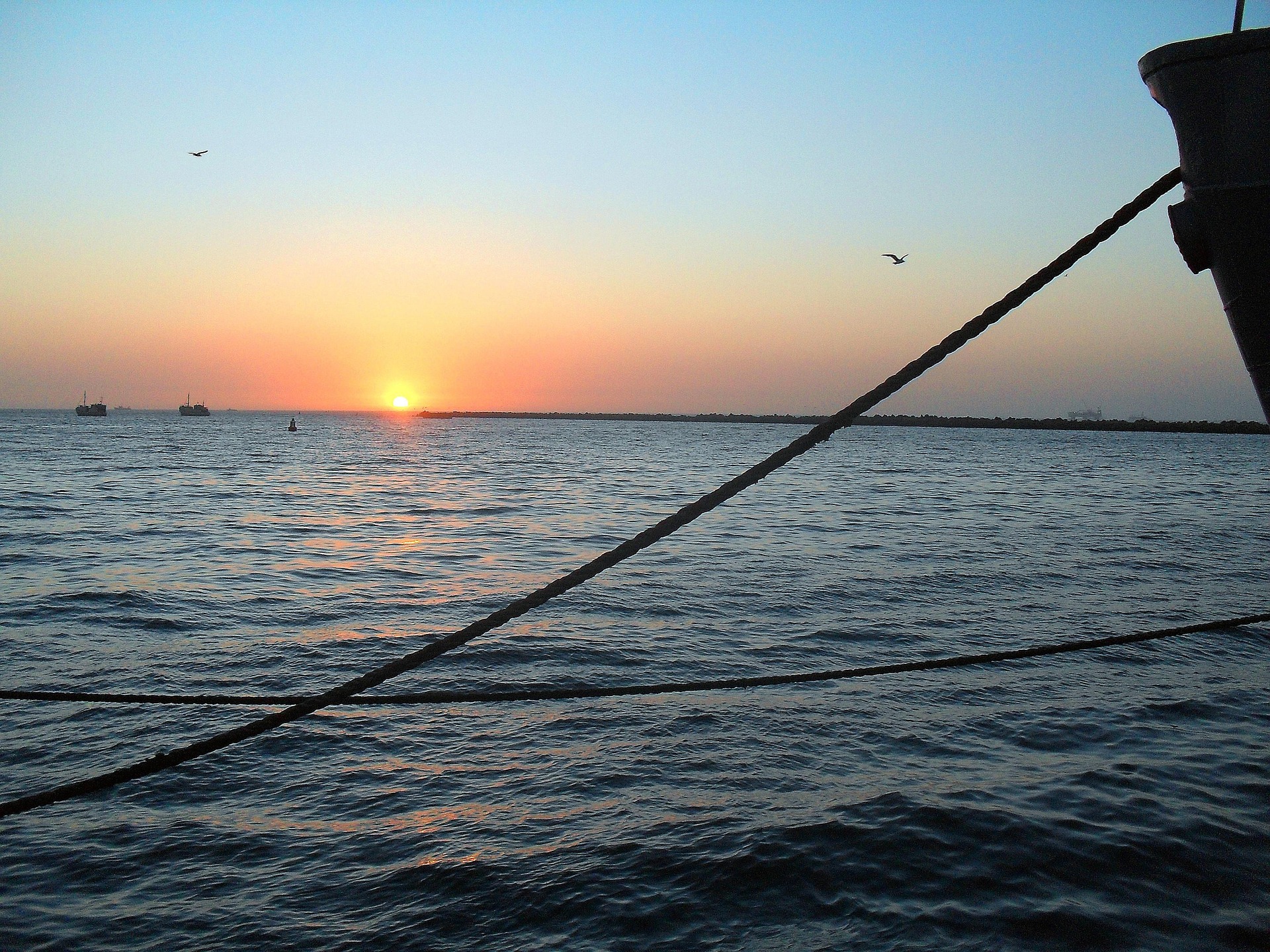
Walvis Bay works well as a coastal base for desert access. Dune activities and the Atlantic coast are both reachable from there. Plan your full trip at Walvis Bay Namibia.
The Namib rewards people who slow down and pay attention. Almost everyone who does says the same thing leaving: they had no idea a desert could feel this alive.
Want to see it with a guide?
Tell us your date, group size and where you are staying. We’ll reply with availability, pickup time and the final price. No payment needed to ask.