Namibia is roughly twice the size of Germany. It has one of the lowest population densities on Earth. Outside of national parks and small towns, you can drive for two hours without passing another vehicle. That emptiness is not a problem. That is the whole point.
A Namibia safari is not like East Africa. No minibuses lined up at a waterhole, no queues at the park gate, no crowd pressing in on both sides. Namibia is quiet, raw, and occasionally demanding. The people who love it most would not have it any other way.
This guide covers every major safari destination in the country, the different types of safari available, costs, when to go, and exactly what you can expect to see. Whether you are planning a 7 day self drive or a 14 day fully guided expedition, start here.
Why Namibia Is Different from Other Safari Destinations
Most safari countries have a wet season and a dry season. Namibia is nearly always dry. The Namib Desert is the oldest desert on Earth, around 55 million years old, and the life that exists here has adapted to conditions that would end most species found elsewhere on the continent.
The country is also one of the safest in Africa for independent travellers. Roads are well maintained, signage is clear, and infrastructure in popular areas is reliable enough for first time visitors. A surprising number of people self drive Namibia as their very first African trip.
Namibia also holds the largest cheetah population outside protected areas anywhere in the world. Black rhino numbers are recovering in community conservancies. Wildlife tourism directly funds the communities who live alongside these animals, keeping poaching rates among the lowest on the continent.
Etosha National Park
Etosha is the flagship wildlife destination in Namibia and one of the finest game parks in all of Africa. The park centres on a massive salt pan, 4,760 square kilometres of flat white, with waterholes scattered around its edges where animals gather through the dry season.
The floodlit waterholes at Okaukuejo, Halali, and Namutoni are among the best wildlife watching spots on the continent. In dry months from May to October, lions, elephants, giraffes, black rhinos, and black faced impala come in to drink, sometimes within metres of where you are sitting. There is no fence between you and the animals at the evening waterholes.
Over 114 mammal species and 340 bird species have been recorded in Etosha. A three day stay is the minimum. Five days is considerably better. Self drive is completely viable here. The roads are maintained and wildlife sightings happen consistently throughout the day.
Best time: May to October, with July and August as the peak wildlife viewing months.
Compare the options
| Tour | Best for | Duration | Price | Book |
|---|---|---|---|---|
| Spitzkoppe Tour in Namibia’s Erongo Region | Granite peaks and big views | Full day | From USD 250 | View |
| Cape Cross Seal Reserve Tour on Namibia’s Skeleton Coast | A huge Cape fur seal colony | Full day | From USD 220 | View |
| Treasure of Namib Desert | A desert day trip | – | From USD 115 | View |
| Sandwich Harbour Full-dayBest seller | The full day, with picnic lunch | About 8 hours | From USD 220 | View |
| Sandwich Harbour SunsetBest seller | Golden-hour light and sundowners | About 4 hours | From USD 180 | View |
Sossusvlei and the Namib Desert Dunes
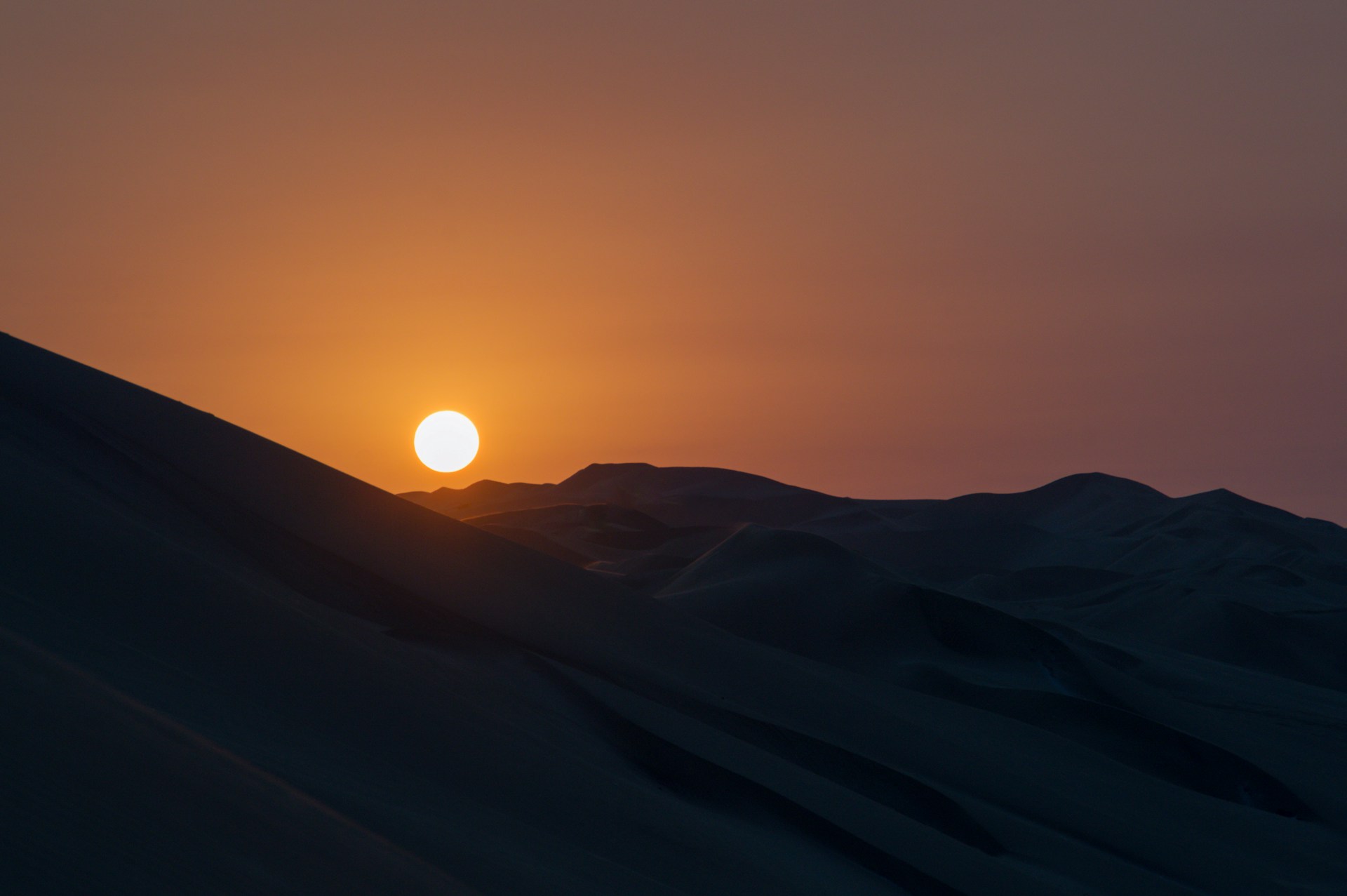
Sossusvlei sits inside the Namib Naukluft National Park, about five hours south of Swakopmund. The dunes here are among the tallest in the world, and their deep red colour from iron oxidation changes at every hour of the day.
The most photographed location in Namibia is Deadvlei, a white clay pan surrounded by ancient camel thorn trees that died over 600 years ago but never decomposed in the dry air. The contrast of black dead trees against white ground with red dunes behind is one of those scenes that actually looks exactly like the photographs when you are standing there.
Getting to Sossusvlei requires an early start. The gate opens at sunrise and the dune climb needs to happen before 9am when the heat and flat light set in. Stay near Sesriem, just outside the park entrance.
Best time: August to October for clear skies and manageable temperatures. Avoid December to February.
The Skeleton Coast
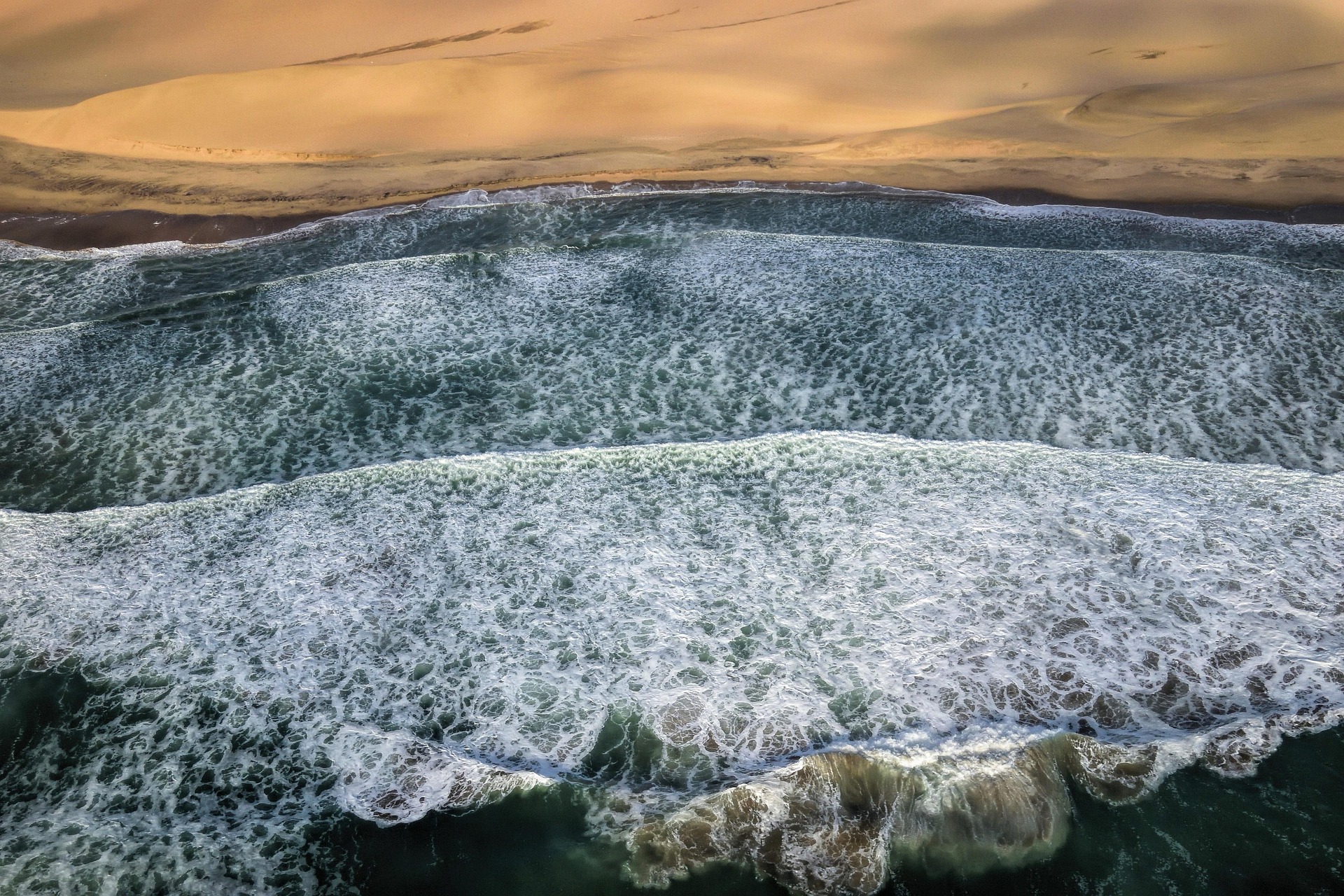
The Bushmen called this the Land God Made in Anger. Portuguese sailors called it the Gates of Hell. The name that stuck comes from whale bones and shipwrecks that once littered the beach. All three names capture something real.
The southern section, accessible by road from Walvis Bay, includes Cape Cross Seal Reserve with up to 100,000 Cape fur seals in peak season. No guided tour required. Drive in, walk the boardwalk, and let the scale hit you.
The northern Skeleton Coast is restricted to fly in safari access only. Desert lions, brown hyenas, and oryx on remote beaches are what draw people here. Expect from USD 6,000 per person upward for a multi day fly in experience.
Damaraland
Damaraland sits in Namibia’s northwest, among the least visited and most spectacular regions in the country. Rocky ridges, dry riverbeds, and open plains create a landscape that feels genuinely ancient. Twyfelfontein, a UNESCO World Heritage Site with over 2,000 rock engravings, is here. So is Brandberg Mountain, Namibia’s highest peak at 2,573 metres.
The main wildlife draw is the desert adapted elephant population. These animals have changed their behaviour to survive the desert, travelling larger distances for water and living in smaller family groups than savanna elephants. Tracking them on foot with a local community guide is one of the most memorable experiences available anywhere in Namibia.
Black rhino tracking experiences run by the Save the Rhino Trust give local communities direct conservation roles. Sightings are not guaranteed but when they happen, they are extraordinary.
Types of Namibia Safari
Self Drive Safari
Self drive is the most popular way to see Namibia. Roads are generally good, distances are manageable with planning, and stopping wherever you want makes a huge difference in a landscape this photogenic. A 4×4 vehicle is required for Sossusvlei and strongly recommended for anywhere beyond the main B roads. Budget from USD 150 per person per day including vehicle hire, fuel, accommodation, and park fees.
Guided Group Safari
Guided tours handle all logistics and put local knowledge in the driver’s seat. Several established Namibian operators run well reviewed group itineraries across Namibia’s main highlights. Group sizes typically range from 6 to 16 people. A knowledgeable guide makes a significant difference to how much you see and understand, particularly in Etosha and the desert regions.
Luxury and Fly In Safari
Fly in safaris move between lodges by light aircraft, turning what would be a six hour road journey into a 45 minute flight. This opens up areas like the northern Skeleton Coast and remote Damaraland that are simply not practical overland. Costs run from USD 600 to USD 1,500 per person per day. Operators like Wilderness Safaris and Natural World Safaris specialise in this tier.
Budget Camping Safari
Namibia is one of the best camping safari countries on the continent. The NWR rest camps at Okaukuejo, Halali, and Namutoni in Etosha are clean, affordable, and sit right next to the waterholes. Self drive camping safaris from USD 150 per person per day are genuinely excellent value for what you experience.
When to Visit Namibia for a Safari
May to October is the dry season and the best time for wildlife viewing. Animals concentrate around water sources, vegetation is low, and spotting is easier. July and August are peak months at Etosha but also peak prices. Nights get cold in the desert from June to August, so a warm layer is essential.
November to April brings dramatic afternoon storms and lower prices. Wildlife is harder to spot but this is the best time for birdwatching. October and November are a sweet spot: excellent conditions, thinner crowds, and prices that have not yet hit July peak levels.
What Travellers Say About Namibia Safaris
A verified traveller on TourRadar shared:
“We have been on safaris across Africa and this counts as one of the best trips of our lives. The scale of the country, the variety of landscapes, and the quality of the guides made this completely different from any other safari experience. Etosha at night around the floodlit waterhole alone is worth the entire trip.”
Another visitor commented:
“If you like sun, sand, and the highest dunes in the world, you cannot ask for more than a Namibia safari. We covered Sossusvlei, Swakopmund, Etosha, and the Skeleton Coast in 10 days. Every part of the country was different from the last. Relentless in the best possible way.”
Adding the Coast to Your Namibia Safari
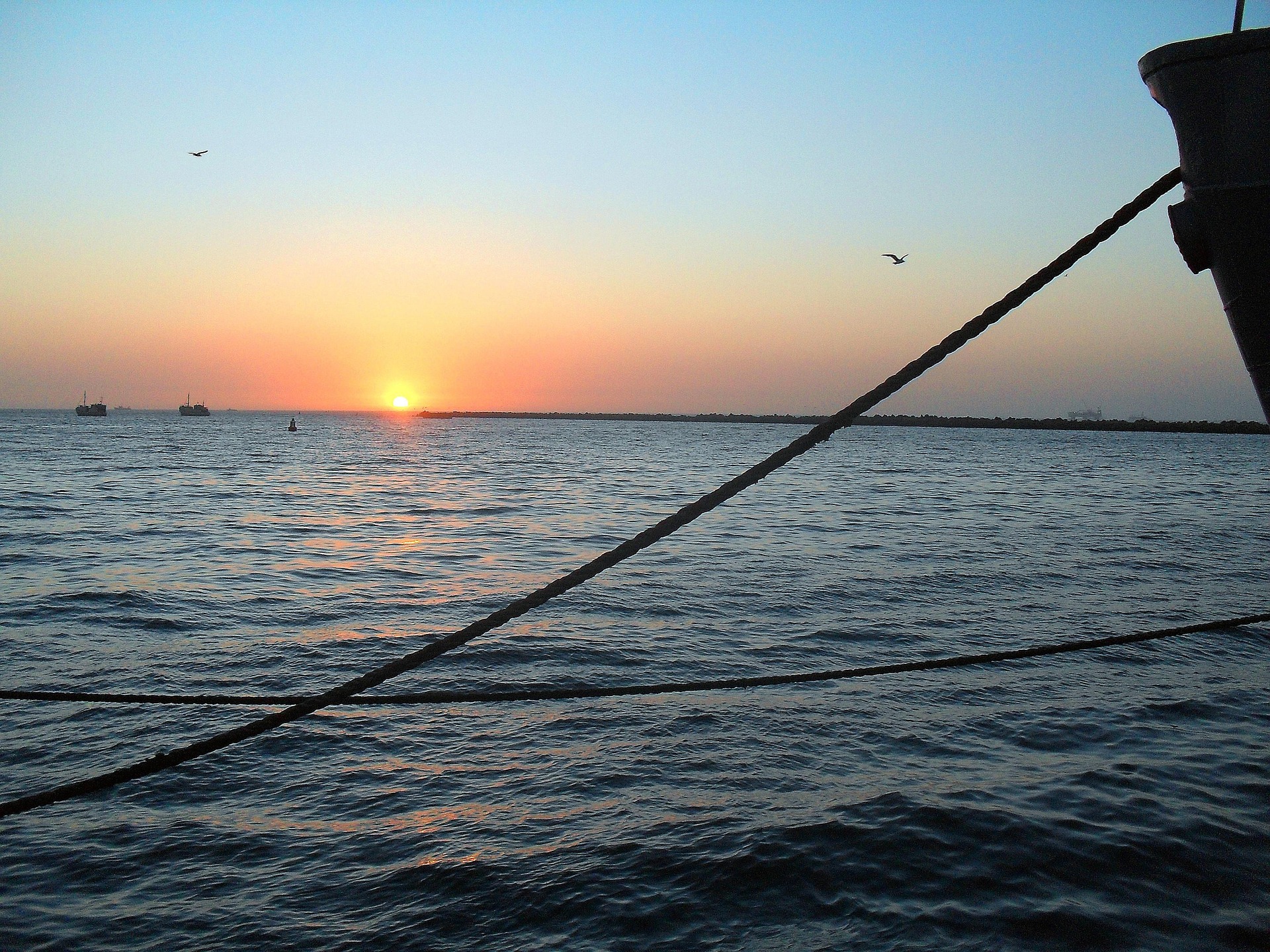
Most Namibia safari itineraries of 10 days or more include at least two nights on the coast at Swakopmund or Walvis Bay. After days in the desert at Etosha or Sossusvlei, the cold Atlantic air and fresh seafood feel like a completely different world. The coast also has its own wildlife: dolphins, seals, flamingos, and whales in season.
For everything you can do along the coast, read the complete guide to Namibia Day Tours from Swakopmund and Walvis Bay.
Practical Notes Before You Go
- Fly into Windhoek Hosea Kutako International Airport. Connections run through Johannesburg, Cape Town, Frankfurt, and London.
- Book Etosha NWR camps well in advance for July and August. They fill months ahead of peak season.
- A standard driver’s licence is accepted for self drive. An International Driving Permit is recommended.
- The Namibian dollar is pegged at 1:1 to the South African rand. Both are accepted throughout the country.
- Most nationalities do not need a visa for stays under 90 days. Confirm current requirements before travelling.
Namibia rewards the traveller who plans carefully. The distances are long, the parks are vast, and an itinerary that accounts for drive times makes a real difference. Get it right and it becomes the kind of trip people describe for years. Start planning at Walvis Bay Namibia.
Get a free quote
Tell us your date, group size and where you are staying. We’ll reply with availability, pickup time and the final price. No payment needed to ask.