Walvis Bay is a coastal town in Namibia known for wildlife, ocean activities, and landscapes where the desert meets the sea. It is a popular stop for travelers interested in birds, seals, and guided coastal tours. When visiting Walvis Bay, it is important to understand the best time to travel and follow basic safety advice, especially in town and remote areas.
The dry winter season from May to October is one of the best times to visit Walvis Bay. Days are warm and clear, and wildlife viewing is very good. Seals and birds gather around water sources, making boat cruises and lagoon visits rewarding. Desert nights can be cold, so warm clothing is needed. The period from July to October is the busiest time for tourism, so booking accommodation and activities early is advised.
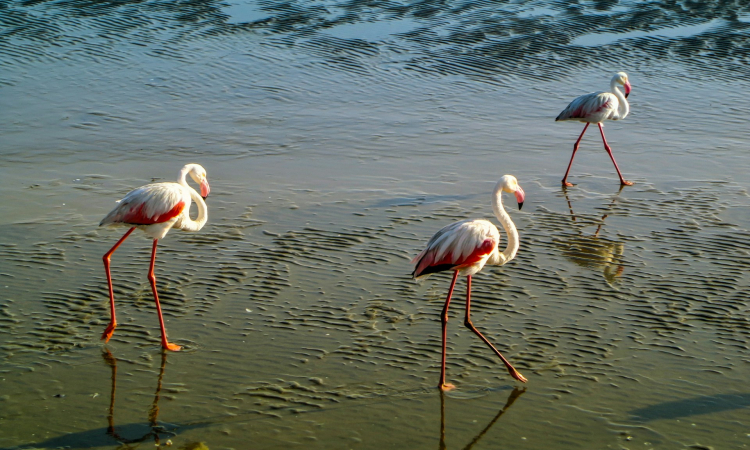
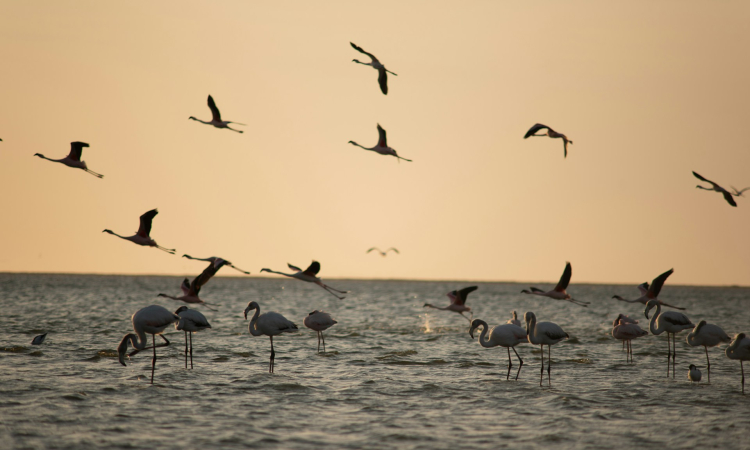
The rainy season runs from November to April. During this time, migratory birds arrive in large numbers. Thousands of flamingos can be seen feeding in the Walvis Bay Lagoon. This season is excellent for bird watching, although short rain showers may occur.
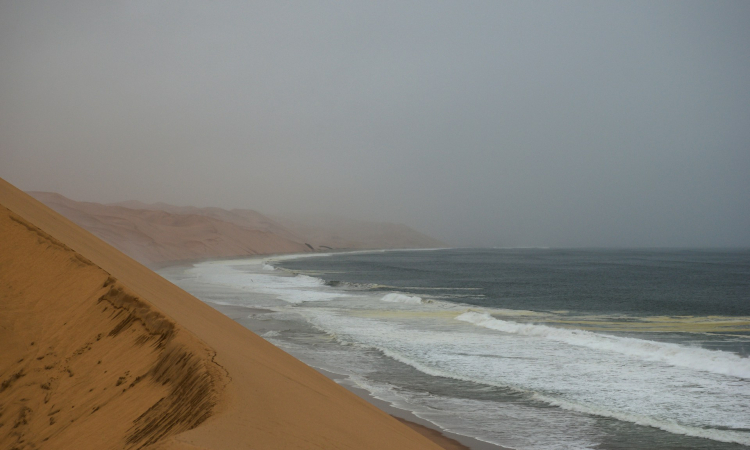
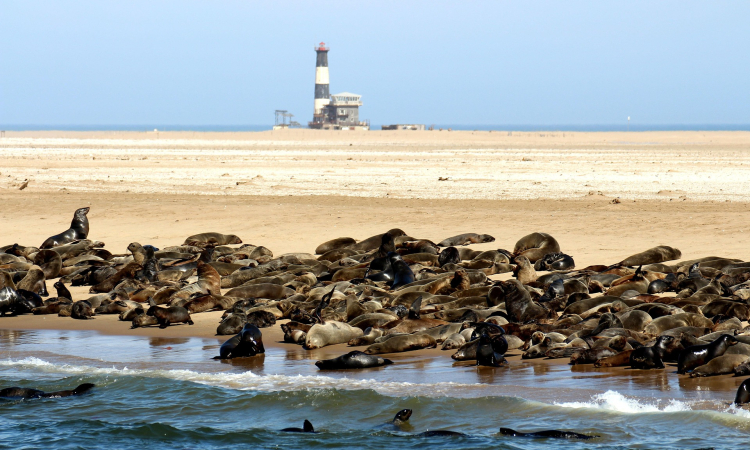
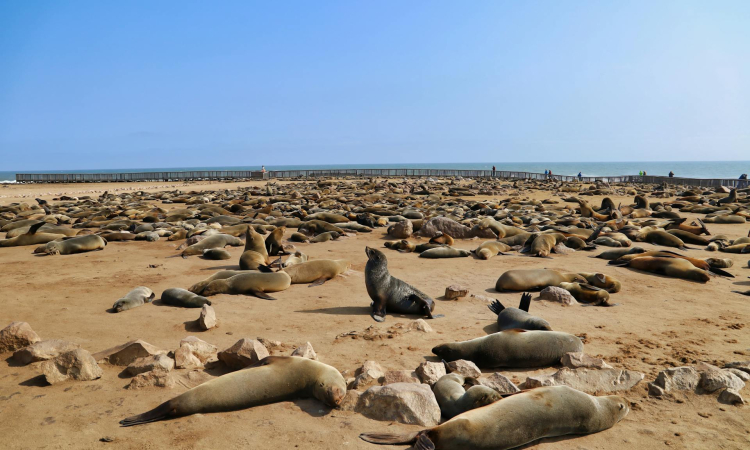
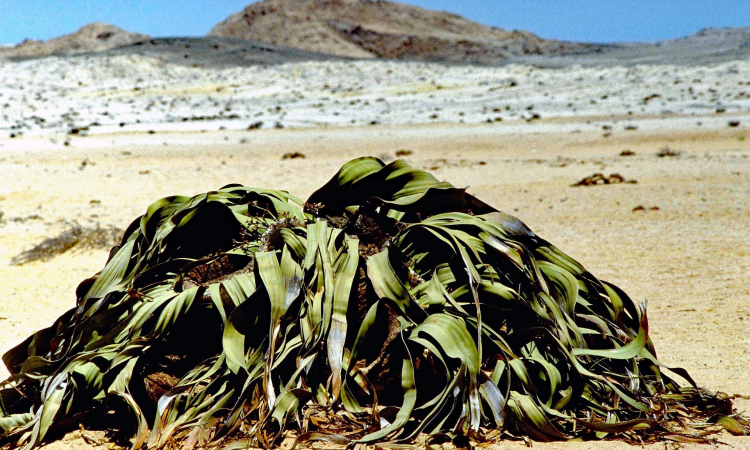
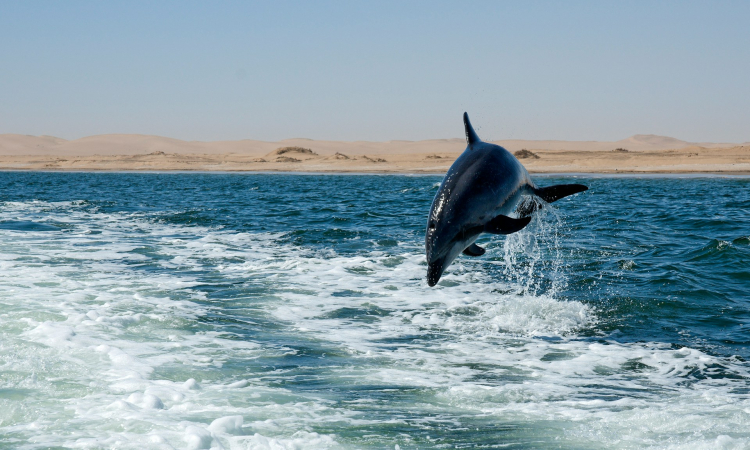
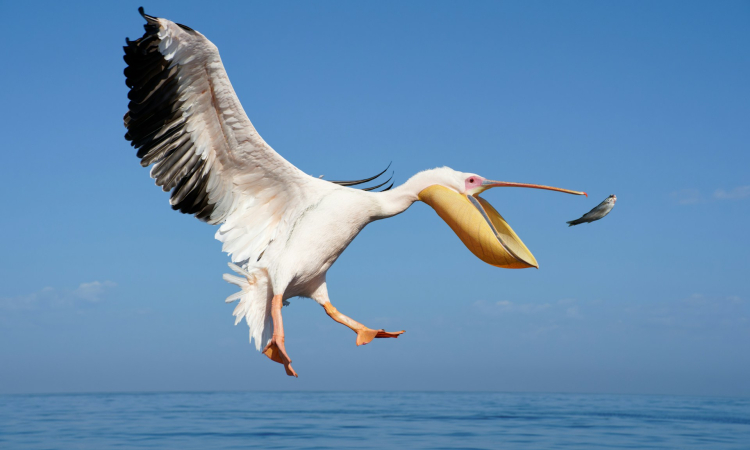
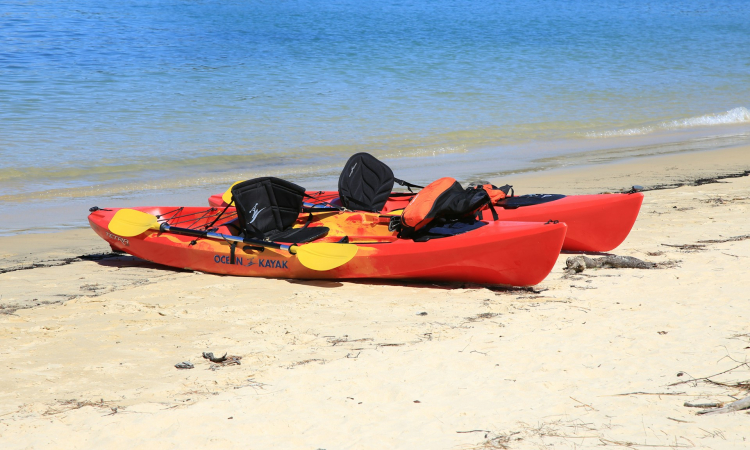
Popular activities include 4×4 tours and boat trips to Pelican Point, where Cape fur seals and large bird flocks can be seen. Kayaking near the seals is also a common activity. Just outside town, large sand dunes offer sandboarding and wide desert views. Guided trips explore the area where the Namib Desert meets the Atlantic Ocean.
Self driving is a good way to explore Namibia, especially with a 4×4 vehicle. Roads are generally in good condition, but care is needed on gravel roads and during the rainy season when flash floods can happen. In town, keep car doors locked and windows closed. Petty crime can occur, so avoid showing valuables and use hotel safes. Avoid walking alone at night and be cautious of roadside scams.
Ocean currents are strong, so swim only in marked areas and never alone. The sun is strong year round, so sunscreen, a hat, and sunglasses are important. Always carry enough water when traveling. Evenings can be cold, so warm clothing is needed. Malaria risk is low, but insect repellent is useful. Consult a doctor about recommended vaccinations before travel.