The Pelican Point Kayaking Tour is a guided coastal activity that takes place along the Namibian coast near Walvis Bay. This tour is well known for close encounters with seals and calm kayaking conditions. It is family friendly and does not require any previous kayaking experience, making it suitable for beginners and children accompanied by adults.
Pelican Point is located about 45 km from Walvis Bay, with a driving time of around 30 minutes. The tour starts early in the morning from the Walvis Bay Waterfront. Early departures are important because wind conditions are usually calmer in the morning. Your guide will confirm the pickup time in advance.
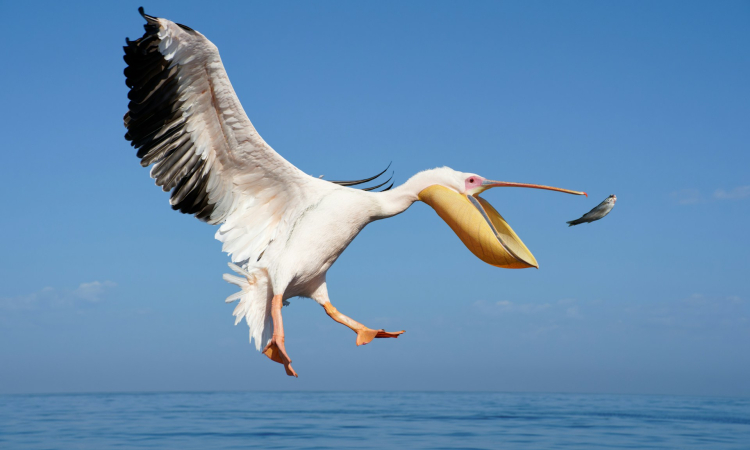
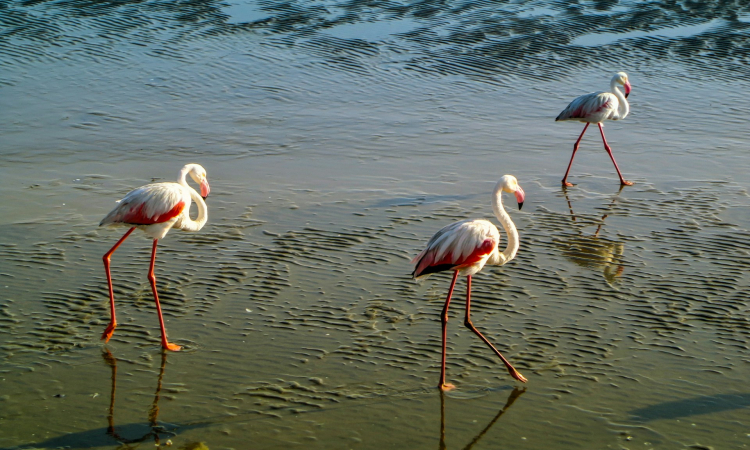
The drive to Pelican Point passes through salt lakes, flamingo filled lagoons, and bird rich wetlands. These areas are home to many coastal bird species and offer good chances for photos along the way. The route itself is part of the experience, showing how the desert and ocean exist side by side.
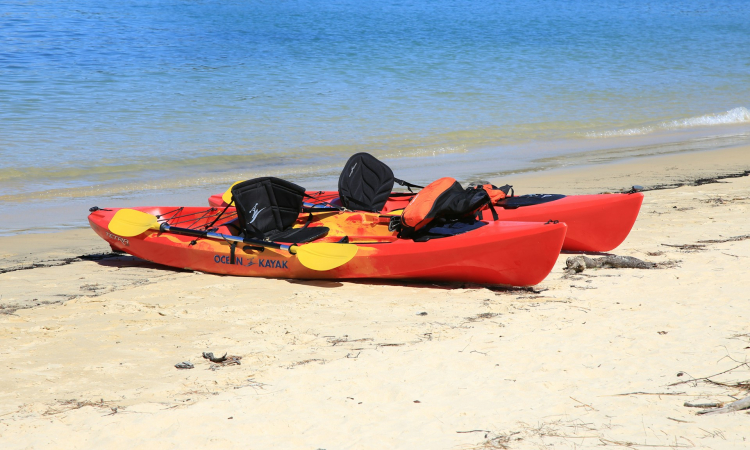
On arrival at the tip of the Pelican Point Peninsula, you launch into sit inside kayaks on the protected side of the peninsula. Before paddling, the guide gives a safety briefing and basic instructions. Even first time kayakers can join with confidence. The kayaking route follows the calm shoreline, where conditions are usually safe and controlled.
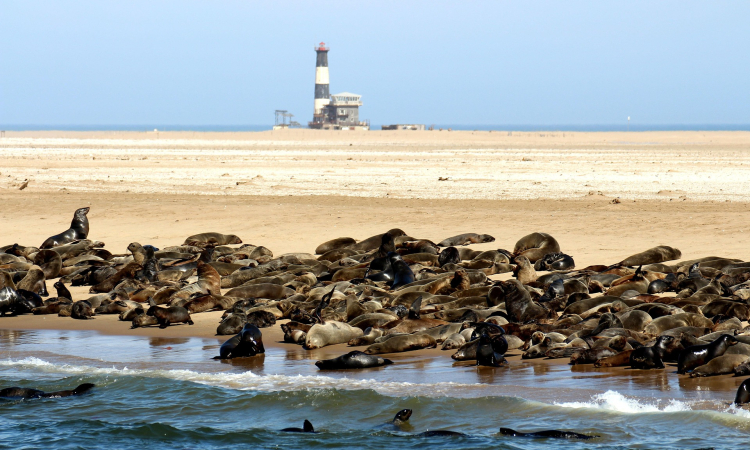
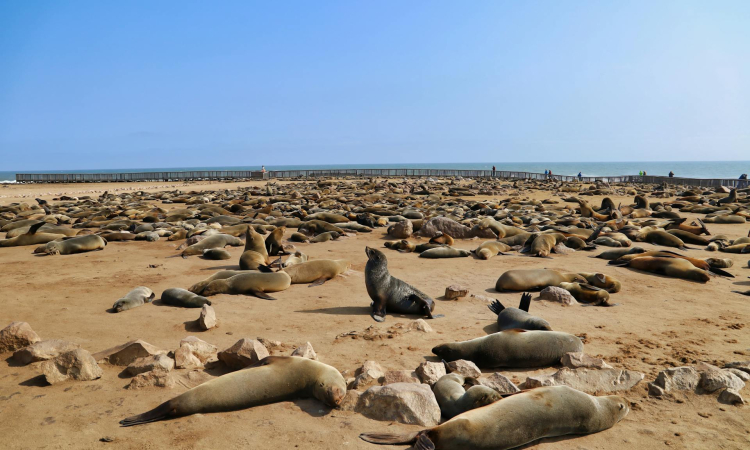
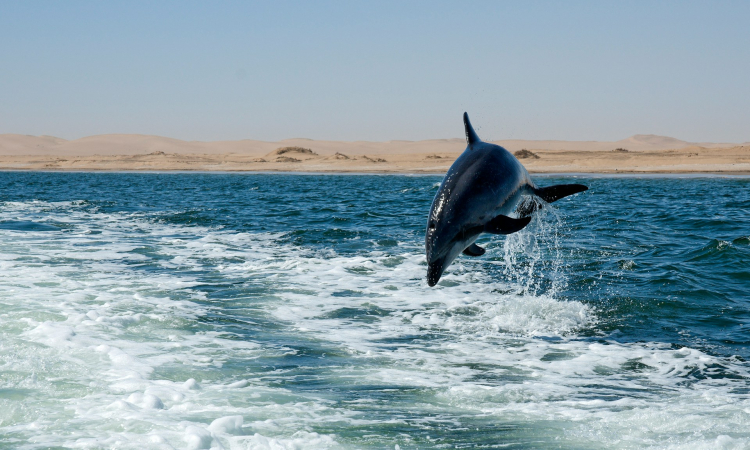
While paddling, you enter an area home to a large colony of Cape Fur Seals. Seals are often curious and swim close to the kayaks. Some may pop their heads out of the water or follow you for short distances. Dolphins are sometimes seen further out in the water, depending on the day.
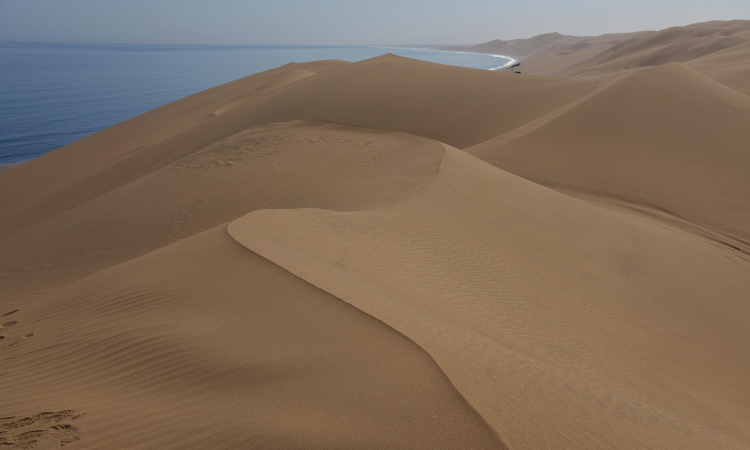
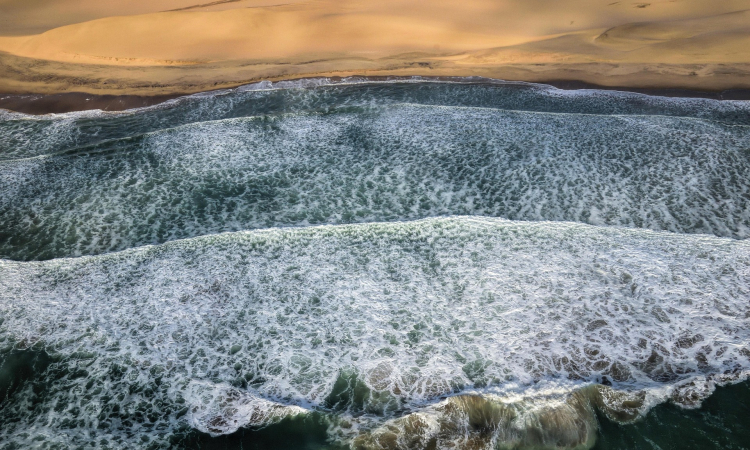
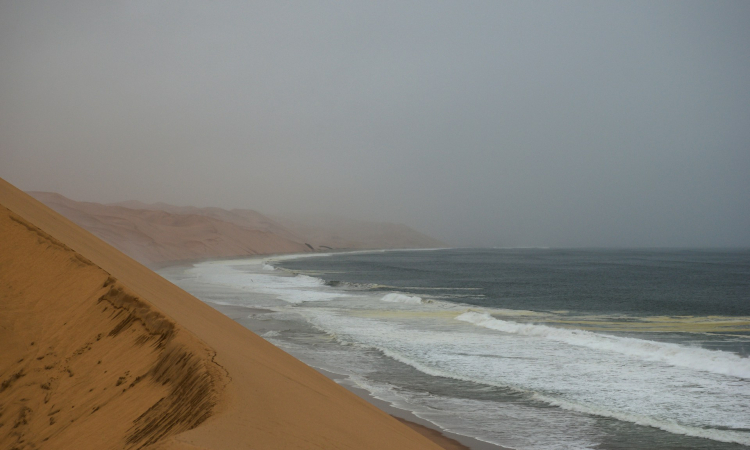
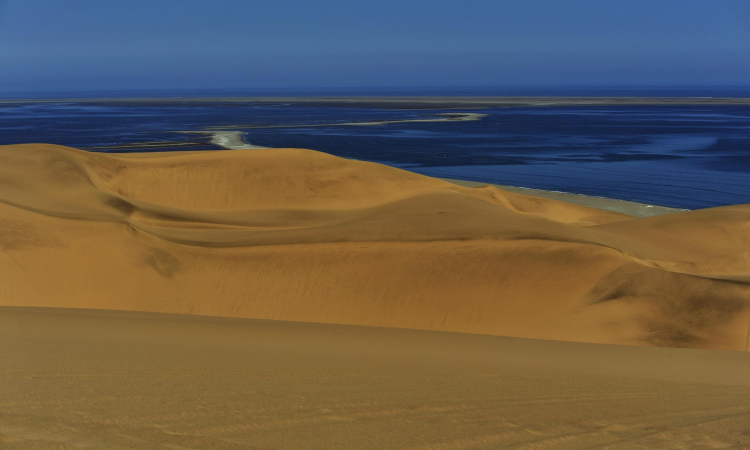
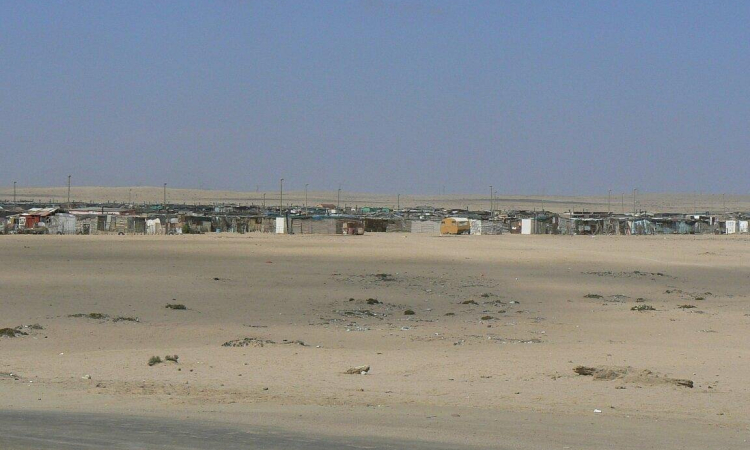
This tour offers a special mix of environments. You kayak on the Atlantic Ocean while staying close to the coastal edge of the Namib Desert. The contrast between ocean water, seals, and desert sand makes this one of the most memorable activities on Namibia’s coast.
Important details to know include that the tour may change due to weather, wind, or tide conditions. Seals are playful and may come very close, so it is important to respect them and follow the guide’s instructions. Mornings can be cold, so warm clothing, a hat, and sunscreen are recommended.