Walvis Bay history is shaped by colonial rivalry, disputed control, and its final return to Namibia. The town’s importance comes from its location as the only natural deep water harbour along the Namibian coast. This made Walvis Bay valuable to foreign powers for trade, shipping, and military use over many centuries.
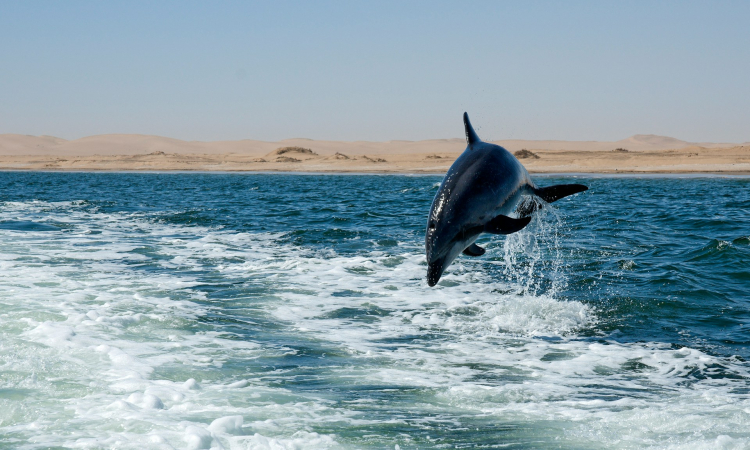
The first European to record the bay was Bartolomeu Dias in the late 15th century. He named it Bahia das Bahleas, meaning Bay of Whales, because of the many whales found in the area. In the following centuries, American and European whaling ships regularly used the bay due to rich fishing grounds. Dutch settlers from the Cape later became the first to formally establish a settlement at Walvis Bay.
British settlers from the Cape Colony then moved into the area. Because of the harbour’s importance, Great Britain officially annexed Walvis Bay along with a small surrounding area. This allowed Britain to control the port while much of the surrounding land later came under German influence.
In the late 1800s, Germany declared a protectorate over German South West Africa. However, Walvis Bay remained under British rule and became a British enclave surrounded by German territory. The Germans developed Swakopmund as their main port instead. When the Union of South Africa was formed, Walvis Bay was placed under the Cape Province.
During World War I, South African forces captured German South West Africa and also occupied Walvis Bay for a short time. After the war, the League of Nations gave South Africa a mandate to administer South West Africa. Walvis Bay was later assigned to be managed together with this territory.
As international pressure grew, South Africa transferred Walvis Bay back to the Cape Province, claiming it as part of South Africa. The United Nations condemned this decision as illegal. When South West Africa became independent as Namibia, Walvis Bay remained under South African control, which caused continued disputes.
After long negotiations, Namibia and South Africa created a joint authority to manage Walvis Bay. Following the end of apartheid, South Africa officially handed Walvis Bay and the Penguin Islands to Namibia on March 1, 1994. This transfer marked the final step in Namibia’s decolonization.